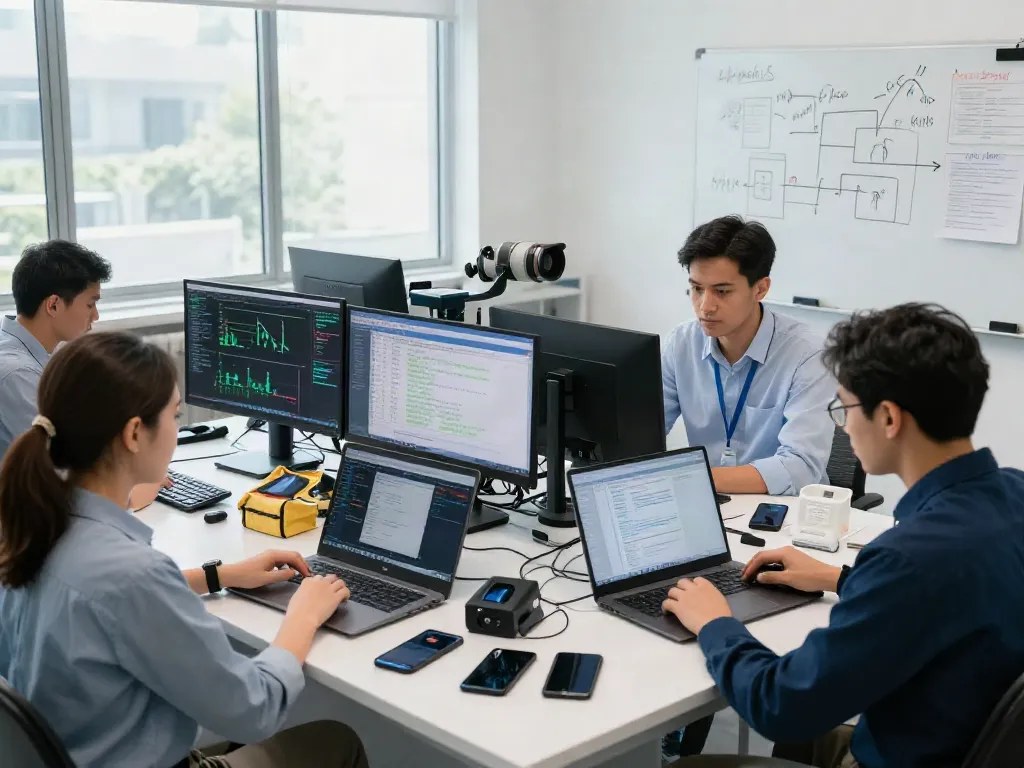
Understanding Digital Forensic Investigation
In our increasingly digital world, the importance of digital forensic investigation cannot be overstated. Digital forensics is essential in solving crimes that involve electronic devices, as it enables law enforcement and investigators to extract and analyze digital evidence. This discipline not only supports criminal investigations but also assists in civil litigation and corporate investigations, making it a crucial aspect of modern investigative practices.
What is Digital Forensic Investigation?
Digital forensic investigation refers to the process of collecting, preserving, analyzing, and presenting electronic data in a manner that is legally acceptable. This field encompasses various types of evidence, including data from computers, mobile devices, networks, and cloud-based systems. Digital forensic investigators utilize specialized techniques and tools to uncover hidden information, ensuring that the integrity of the data is maintained throughout the process.
Key Components of Digital Forensic Science
The core components of digital forensic science include:
- Data Acquisition: The process of collecting data from electronic devices while preserving the original evidence.
- Data Analysis: Analyzing the collected data to extract meaningful information that can be presented in court.
- Reporting: Creating detailed reports that document the investigation process, findings, and conclusions.
- Testimony: Providing expert testimony in a legal setting to explain the findings and methodologies used during the investigation.
Legal Implications in Digital Forensics
Digital forensic investigations must be conducted in compliance with legal standards to ensure that the evidence can be used in court. Investigators must be well-versed in laws surrounding data privacy, digital evidence handling, and chain of custody. Understanding the implications of the Fourth Amendment, which protects against unreasonable searches and seizures, is also crucial in performing legally sound investigations.
Digital Forensic Investigation Process
Stages of the Digital Forensic Process
The digital forensic process can be divided into several distinct stages:
- Preparation: Ensuring you have the necessary tools and knowledge to conduct a forensic investigation.
- Collection: Gathering data while adhering to legal and ethical guidelines.
- Examination: Analyzing the data using specialized software to uncover relevant information.
- Analysis: Interpreting the data in a way that relates to the case being investigated.
- Presentation: Creating a report and presenting the findings to stakeholders, including law enforcement or legal counsel.
Best Practices for Data Collection
Data collection is a critical phase in digital forensic investigations. Best practices include:
- Using write-blockers to prevent any alteration of data during collection.
- Documenting the entire collection process to maintain a clear chain of custody.
- Collecting data from all potential sources, including hard drives, mobile devices, and cloud storage.
Analyzing Digital Evidence Effectively
Effective analysis involves using a combination of manual techniques and automated tools to sift through large volumes of data. Investigators often employ various methods such as keyword searches, file signature analysis, and timeline analysis to identify relevant evidence. Each technique must be applied judiciously to avoid overlooking crucial information.
Tools and Technologies Used in Digital Forensics
Essential Forensic Software Tools
Digital forensic investigators utilize a variety of software tools to facilitate their work. Some of the most commonly used tools include:
- EnCase: A comprehensive tool for forensic investigations that allows for data acquisition, analysis, and reporting.
- FTK Imager: A tool for creating forensic images of hard drives and other digital media.
- Autopsy: An open-source tool that provides a user-friendly interface for analyzing hard drives and mobile devices.
Hardware Requirements for Effective Investigation
In addition to software, the right hardware is essential for conducting efficient digital forensic investigations. Investigators typically require:
- High-capacity storage devices to store large volumes of data safely.
- Powerful workstations capable of running complex analysis software.
- Mobile device labs for testing and analyzing smartphones and tablets.
Emerging Technologies in Digital Forensics
The field of digital forensics is constantly evolving, with new technologies emerging that enhance investigative capabilities. Some notable trends include:
- Cloud Forensics: Techniques tailored for gathering and analyzing data from cloud environments, which presents unique challenges due to data distribution and access control.
- Artificial Intelligence: AI tools are being developed to automate the analysis of digital evidence, allowing for more efficient processing of large datasets.
- Blockchain Forensics: As cryptocurrency use rises, tools specifically designed to trace blockchain transactions are becoming essential.
Challenges in Digital Forensic Investigations
Common Obstacles Faced by Investigators
Digital forensic investigators often encounter several challenges, including:
- Encrypted data, which can hinder access to crucial evidence.
- The rapidly evolving nature of technology, making it difficult to keep up with new devices and software.
- Legal constraints that limit the ability to collect evidence from certain sources.
Mitigating Risks of Evidence Corruption
One of the primary concerns in digital forensics is the risk of evidence corruption, which can jeopardize investigations. To mitigate this risk, investigators should:
- Employ best practices for data acquisition and handling.
- Maintain detailed documentation to establish a clear chain of custody.
- Regularly update their knowledge of forensic practices and tools.
Addressing Privacy Concerns
Privacy is a significant consideration in digital forensic investigations, especially when handling sensitive personal data. Investigators must ensure compliance with data protection regulations and be transparent about how data is collected and used. Implementing policies that respect the privacy rights of individuals can help build trust and integrity in forensic practices.
The Future of Digital Forensic Investigations
Trends Shaping the Future of Forensics
As technology continues to advance, the future of digital forensics will be shaped by a range of trends, including:
- The increase in remote work and the associated rise in cybercrime targeting home networks.
- Greater reliance on mobile devices for communication and data storage, necessitating specialized mobile forensics capabilities.
- The use of big data analytics to sift through vast amounts of digital evidence.
Impact of AI and Machine Learning
Artificial intelligence and machine learning are set to revolutionize digital forensic investigations by automating data analysis and identifying patterns that may not be obvious to human investigators. AI can help streamline processes, reduce investigation time, and enhance the accuracy of findings.
Preparing for the Digital Landscape of 2026
As we move toward 2026, digital forensic professionals must prepare for a landscape characterized by increased complexity and sophistication of cyber threats. Continuous education and adaptation to emerging technologies will be paramount for investigators to remain effective in their roles. Embracing innovative forensic tools and staying informed about evolving regulations will also be critical for success in the field.
What are the key skills for a digital forensic investigator?
Successful digital forensic investigators typically possess a combination of technical and analytical skills, including:
- Proficiency in forensic tools and technologies.
- Strong analytical thinking and problem-solving skills.
- Knowledge of legal frameworks governing digital evidence.
How does digital forensic investigation assist in criminal cases?
Digital forensic investigations play a vital role in criminal cases by providing crucial evidence that can corroborate or refute allegations. By analyzing digital devices, investigators can trace activities, establish timelines, and identify suspects, ultimately leading to successful prosecutions.
What are the most common tools used in digital forensics?
Some of the common tools employed in digital forensics include EnCase, FTK Imager, Autopsy, and more, each serving unique purposes in collecting and analyzing digital evidence effectively.
What legal standards must be met in digital forensic investigations?
Digital forensic investigations must adhere to established legal standards, including maintaining the chain of custody, ensuring the integrity of evidence, and complying with laws governing search and seizure.
How can businesses benefit from digital forensic services?
Businesses can leverage digital forensic services to investigate data breaches, ensure compliance with regulations, and gather evidence in cases of employee misconduct, enhancing their overall security posture and risk management strategies.